: While more traditional than some modern wavetable synths, it features deep modulation via two LFOs and a flexible matrix. It also includes high-quality built-in effects like chorus, plate reverb, and a "Stoned" phaser modeled after the Small Stone.
: On Windows, it supports 32-bit and 64-bit systems (Windows 7 SP1 or later) and is compatible with VST, VST3, and AAX formats. Verdict
Diva is ideal for producers who value over the complex wavetable manipulation found in synths like Serum or Vital. While the price point (approx. $179 ) and CPU usage are significant, the sheer quality of its filters and oscillators remains a benchmark in the industry. Unparalleled analog "warmth" and realism Very high CPU consumption Modular flexibility with classic synth models Lacks advanced sequencing/wavetables Excellent factory presets and MPE support Can be pricey for budget producers
: u-he includes several features to manage this, such as Multicore support (distributing voices across CPU cores) and selectable accuracy modes ( Draft , Fast , Great , and Divine ).
: Its biggest drawback is its heavy demand on system resources. In "Divine" mode, it can strain even modern processors during high polyphony.
: Diva uses zero-delay-feedback (ZDF) filters to replicate the organic, slightly unstable behavior of hardware resonance and oscillator interaction.
: You can swap panels to mix and match components—for example, pairing Moog-style oscillators with Roland-style filters—to create unique hybrid patches.
u-he Diva is widely regarded as one of the best virtual analog synthesizers available, prized for its nearly indistinguishable analog warmth and modular flexibility. By modeling classic hardware circuits from legends like the Minimoog, Juno, and Jupiter-8, it offers a "luxury" sound suitable for everything from deep techno basslines to lush cinematic pads.
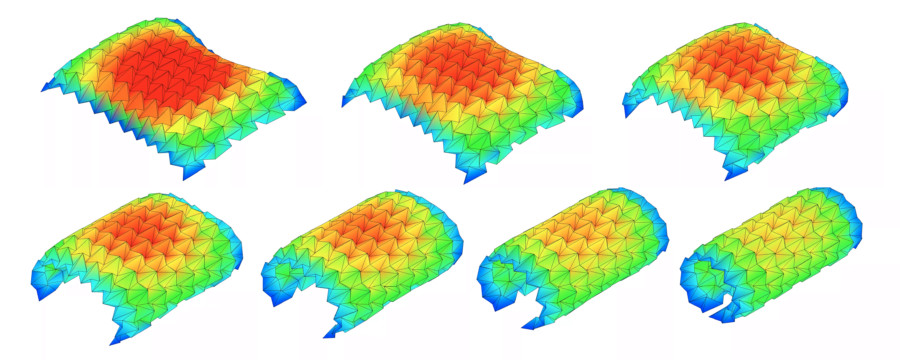
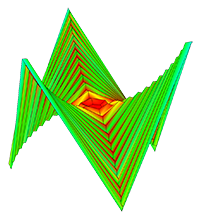
STRAIN VISUALIZATION
Cauchy strain or engineering strain is a unitless measurement of how much a material is being stretched or compressed under load.
The Strain Visualization illustrates the strain across an origami sheet by mapping it to a color from blue (no strain) to red (max strain).