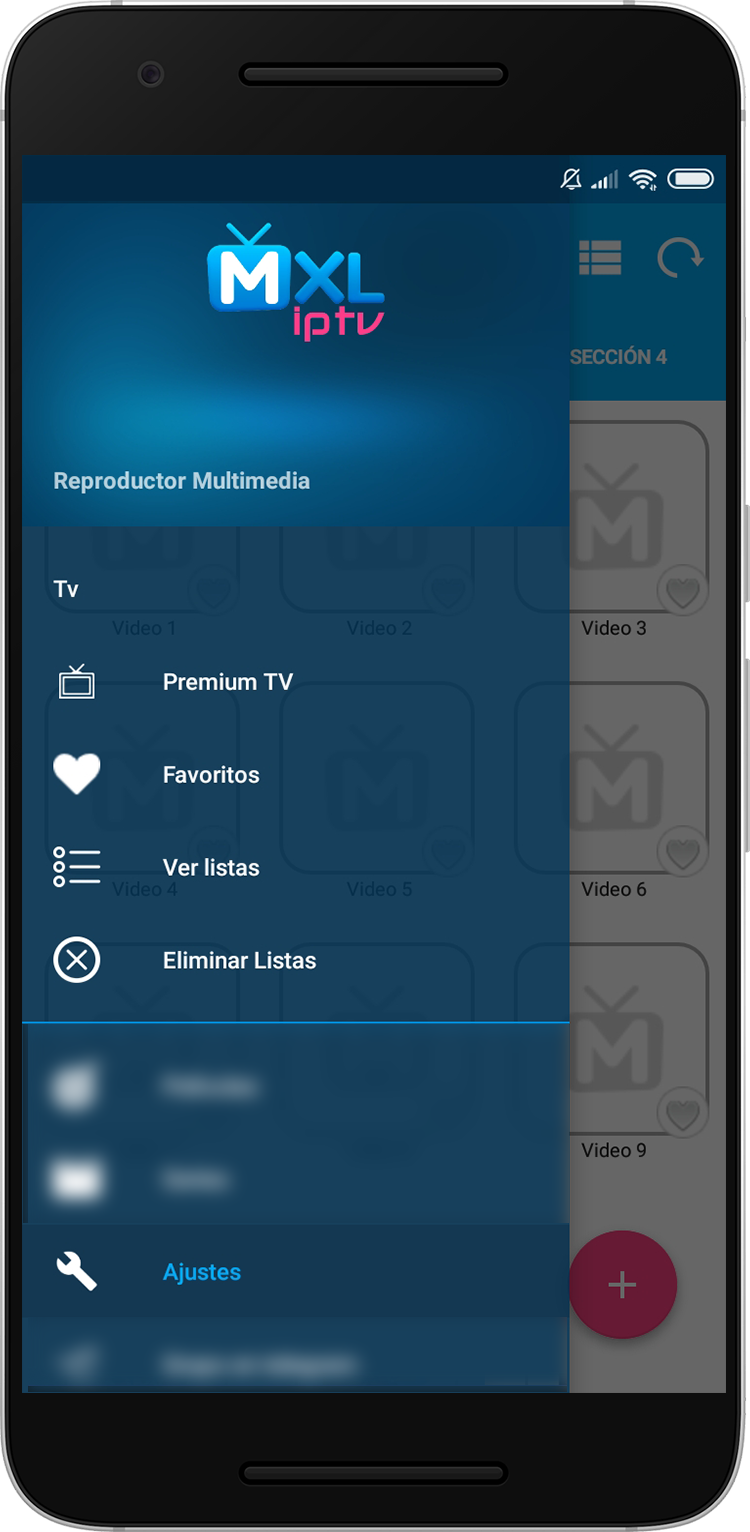
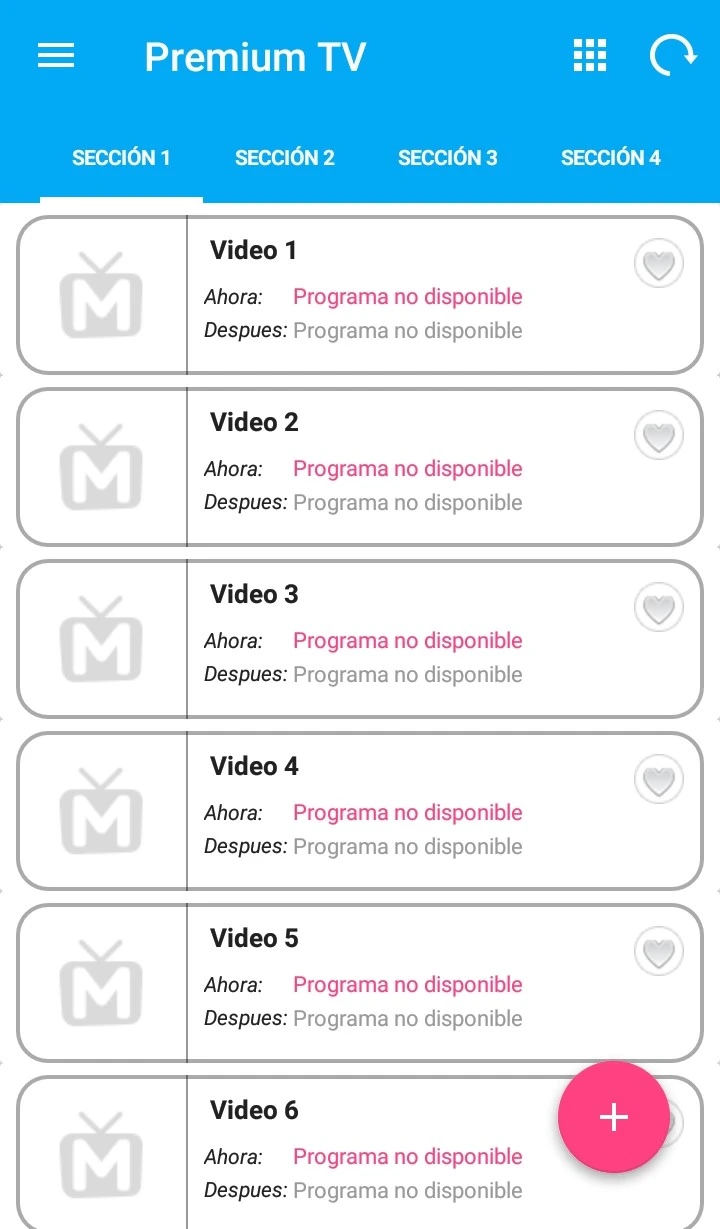
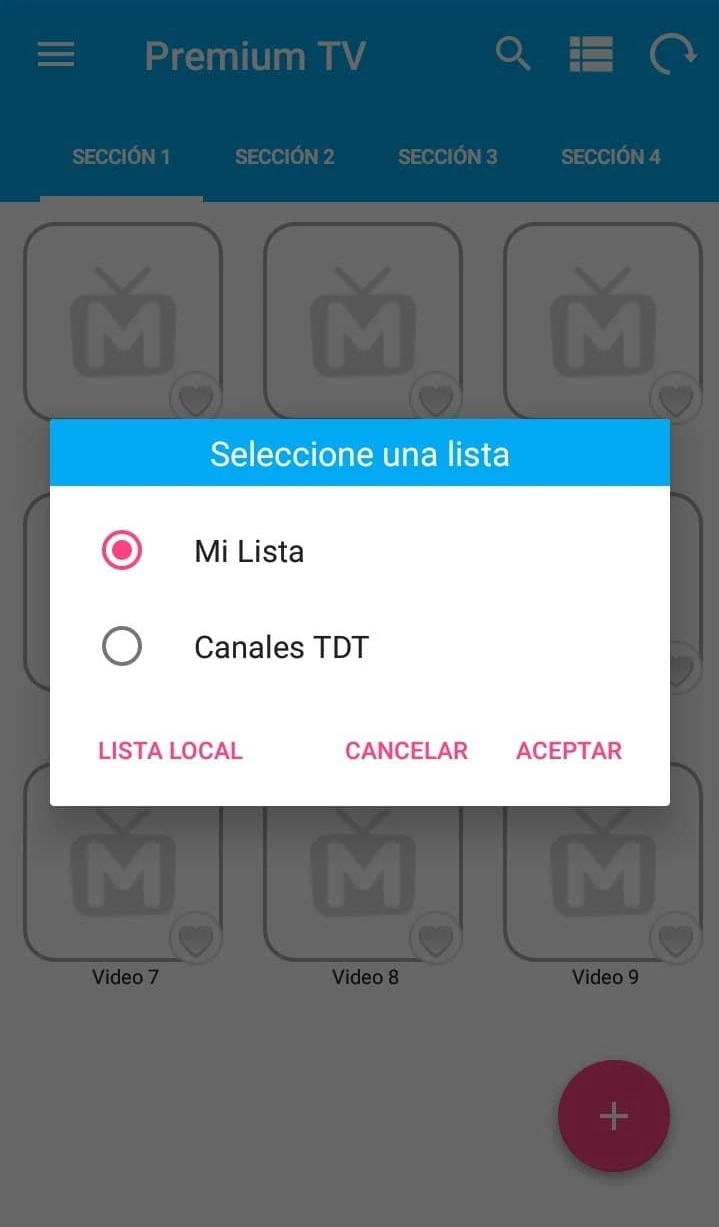
MXL TV es un reproductor multimedia. Compatible con los protocolos de vídeo streaming más populares incluyendo http, https, mms, rtsp, rtmp, etc. Carga automática de listas M3U.
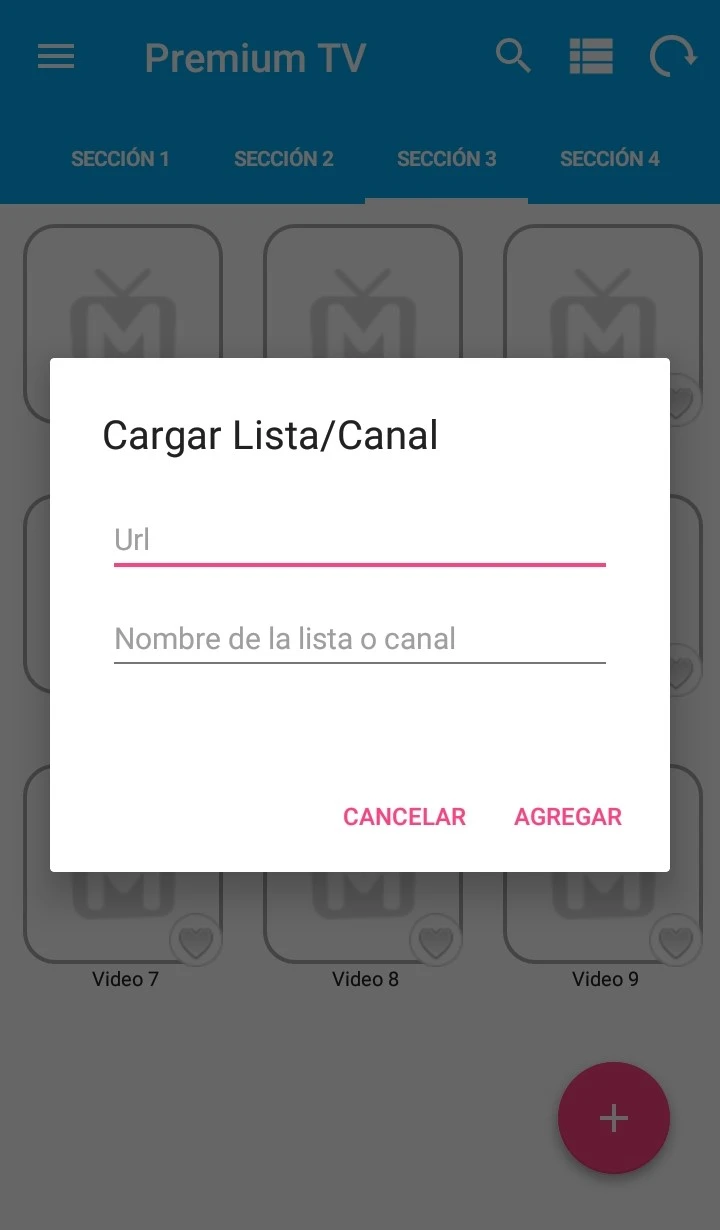
Añade tu lista fácilmente en formato M3U directamente desde URL
Reproduce cualquier archivo de video con los formatos más populares de hoy en día
Filtra y encuentra rápidamente el contenido escribiendo la palabra clave
Recibe notificaciones de las novedades y mejoras de MXL TV
Estos son algunas de las características importantes de MXL TV
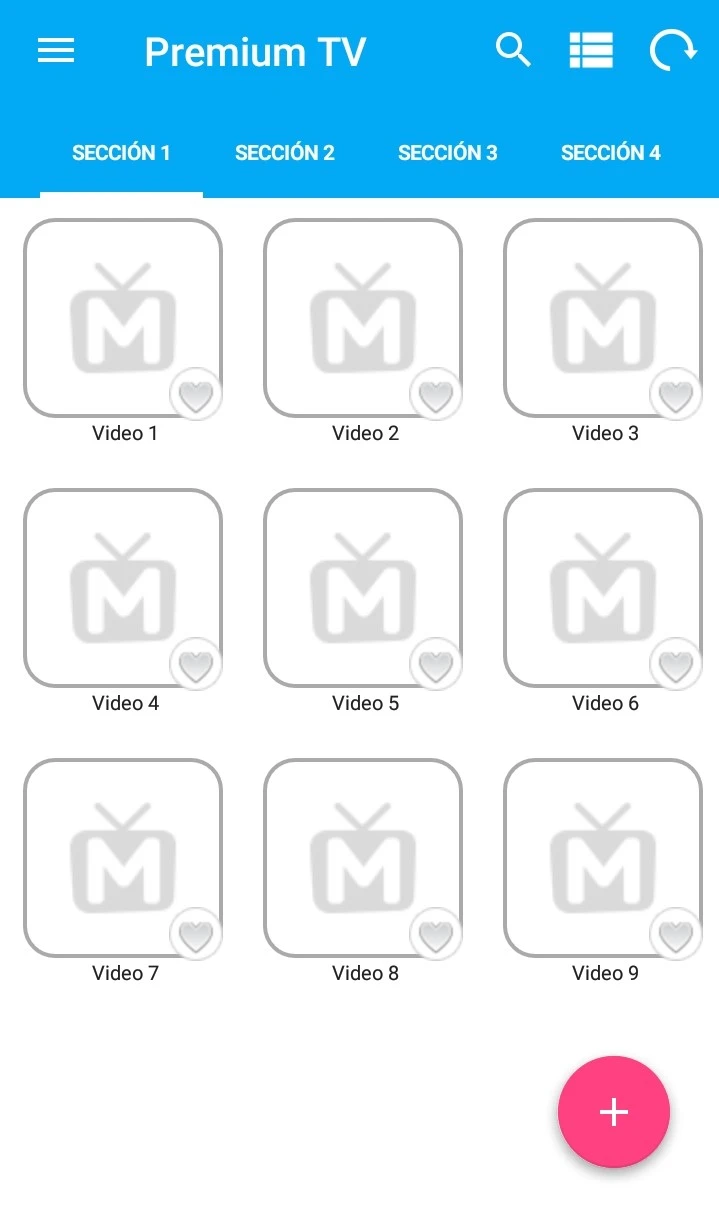
El diseño de MXL TV es simple y elegante para que pueda interactuar sin problemas software business
Agrega marcando su contenido como favoritos y así encontrar fácilmente al iniciar la aplicación : Unlike physical goods, once the first copy
Ordena el contenido de su lista M3U por nombre y categoría alfabéticamente para que puedas navegar sin preocupaciones The Genesis: Finding the "Pain" Software is often
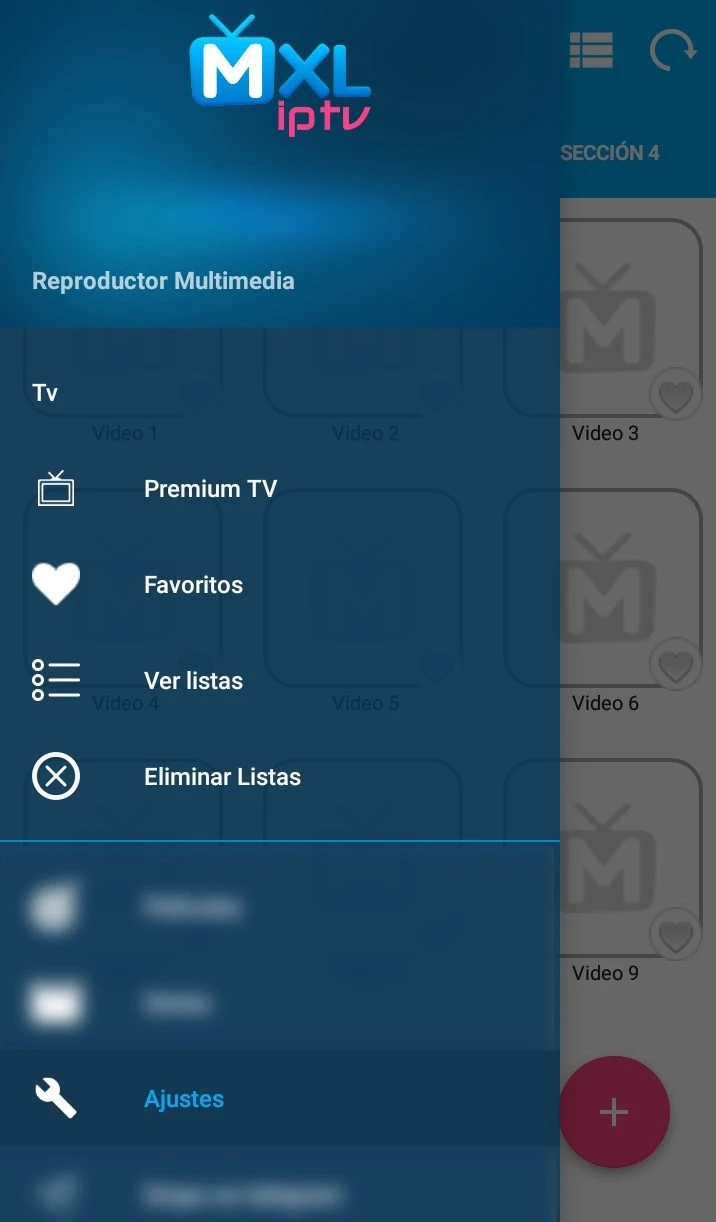
Sección dedicada para agregar, seleccionar y eliminar sus listas M3U en cualquier momento
: Unlike physical goods, once the first copy of software is written, the cost of selling the second copy is almost zero.
The "full story" of a software business is a transition from a craft—writing code to solve a niche problem—to a high-margin, scalable engine of the digital economy. It typically follows a predictable arc: identifying a specific pain point, building a solution, and then navigating the brutal shift from "building software" to "building a company." 1. The Genesis: Finding the "Pain"
Software is often called the "ultimate business model" because of its unique economics.
: Bill Gates and Paul Allen envisioned a "computer on every desk," realizing early that hardware is useless without the right software layers.
: Mike McDerment was a designer using Word and Excel for invoices; he built a simpler accounting tool because existing software was too complex.
: Historically, software was "buy once, use forever" on floppy disks. Today, most businesses use Software-as-a-Service (SaaS) models, providing recurring revenue and constant updates.
: Well-run software companies are among the most profitable in the world, often growing at 8–11% annually—far outstripping the broader economy. 3. The Lifecycle: From Code to Market
: One founder built a B2B product after seeing $15,000-per-seat software in their industry that was poorly made, realizing they could do it better on the side. 2. The Model: Why Software is Different

: Unlike physical goods, once the first copy of software is written, the cost of selling the second copy is almost zero.
The "full story" of a software business is a transition from a craft—writing code to solve a niche problem—to a high-margin, scalable engine of the digital economy. It typically follows a predictable arc: identifying a specific pain point, building a solution, and then navigating the brutal shift from "building software" to "building a company." 1. The Genesis: Finding the "Pain"
Software is often called the "ultimate business model" because of its unique economics.
: Bill Gates and Paul Allen envisioned a "computer on every desk," realizing early that hardware is useless without the right software layers.
: Mike McDerment was a designer using Word and Excel for invoices; he built a simpler accounting tool because existing software was too complex.
: Historically, software was "buy once, use forever" on floppy disks. Today, most businesses use Software-as-a-Service (SaaS) models, providing recurring revenue and constant updates.
: Well-run software companies are among the most profitable in the world, often growing at 8–11% annually—far outstripping the broader economy. 3. The Lifecycle: From Code to Market
: One founder built a B2B product after seeing $15,000-per-seat software in their industry that was poorly made, realizing they could do it better on the side. 2. The Model: Why Software is Different