scaste_bylo
Asset Packs
Stylized GameReady Asset Packs with LODs for Unity, Unreal. Compatible with Godot.
scaste_bylo
Skybox / HDRI
Stylized, 90s Anime & Ghibli GameReady 360 and CubeMap Skyboxes Up To 8k Resolution.
scaste_bylo
3D Models
Free Stylized Game Ready 3D Models Optimized with LODs & 2k Textures.
scaste_bylo
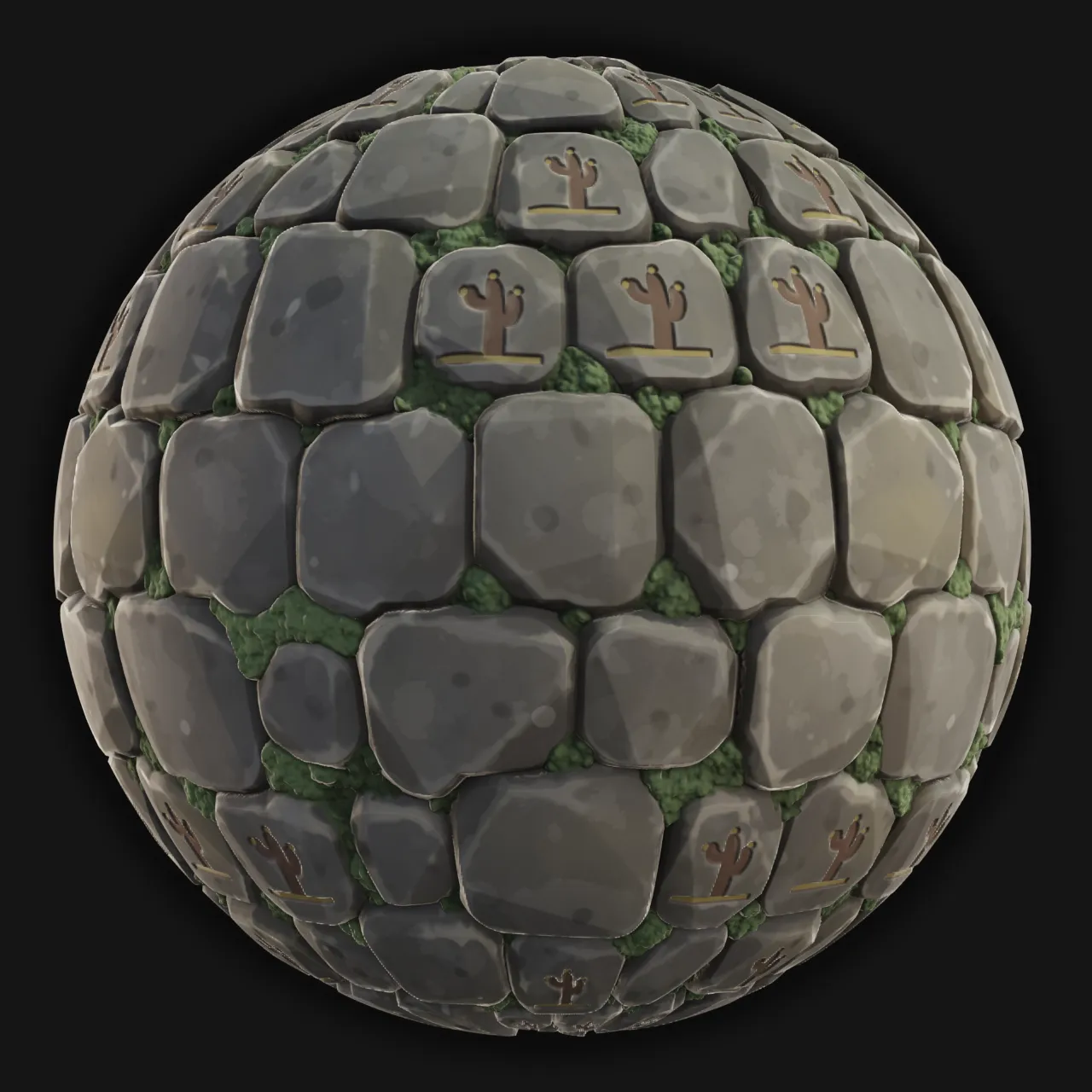
PBR Textures
150+ Stylized Textures with 4k Resolution for Game Devs and 3D Artists.
Stylized Textures

Scaste_bylo -

"Scaste_bylo" appears to be a romanized transliteration of the Russian phrase "" (Schast'ye bylo), which translates to " Happiness was... " or " There was happiness. " It is most famously associated with the line " Счастье было так близко " ("Happiness was so close") from Alexander Pushkin's verse novel Eugene Onegin .

The phrase scaste bylo —"happiness was"—is more than a simple past-tense statement; it is a linguistic monument to the fleeting nature of human contentment. In Russian literature and cultural consciousness, this expression often serves as the preamble to a lament, signaling a moment where joy was within reach but ultimately slipped away. By examining its roots in Pushkin’s work and its broader philosophical implications, we can understand scaste bylo as a reflection on the bittersweet intersection of memory and regret. scaste_bylo

While rooted in a specific Slavic melancholy, the sentiment is universal. It mirrors the concept of "the one that got away" or the realization that a particular period of life—childhood, a first love, or a creative peak—was the pinnacle of one’s experience. To say scaste bylo is to acknowledge that while the joy is gone, the fact that it existed at all provides a foundation for one's identity. It is an admission of loss, but also a quiet celebration of the fact that the speaker was once capable of feeling such a profound emotion. "Scaste_bylo" appears to be a romanized transliteration of

Не было б несчастья, да счастье помогло - Газета «Вести The phrase scaste bylo —"happiness was"—is more than

Linguistically, the transition from scaste (happiness) to bylo (was) changes the nature of the emotion itself. Happiness in the present is often unexamined; we simply live it. However, once it becomes bylo , it enters the realm of the ideal. The past tense adds a layer of "tragic clarity." We often only recognize the full extent of our happiness once it has concluded, turning the memory into something both beautiful and painful. This duality is a hallmark of the "Russian soul"—a deep-seated nostalgia for a lost or imagined golden age.
Members

"Scaste_bylo" appears to be a romanized transliteration of the Russian phrase "" (Schast'ye bylo), which translates to " Happiness was... " or " There was happiness. " It is most famously associated with the line " Счастье было так близко " ("Happiness was so close") from Alexander Pushkin's verse novel Eugene Onegin .

The phrase scaste bylo —"happiness was"—is more than a simple past-tense statement; it is a linguistic monument to the fleeting nature of human contentment. In Russian literature and cultural consciousness, this expression often serves as the preamble to a lament, signaling a moment where joy was within reach but ultimately slipped away. By examining its roots in Pushkin’s work and its broader philosophical implications, we can understand scaste bylo as a reflection on the bittersweet intersection of memory and regret.

While rooted in a specific Slavic melancholy, the sentiment is universal. It mirrors the concept of "the one that got away" or the realization that a particular period of life—childhood, a first love, or a creative peak—was the pinnacle of one’s experience. To say scaste bylo is to acknowledge that while the joy is gone, the fact that it existed at all provides a foundation for one's identity. It is an admission of loss, but also a quiet celebration of the fact that the speaker was once capable of feeling such a profound emotion.

Не было б несчастья, да счастье помогло - Газета «Вести

Linguistically, the transition from scaste (happiness) to bylo (was) changes the nature of the emotion itself. Happiness in the present is often unexamined; we simply live it. However, once it becomes bylo , it enters the realm of the ideal. The past tense adds a layer of "tragic clarity." We often only recognize the full extent of our happiness once it has concluded, turning the memory into something both beautiful and painful. This duality is a hallmark of the "Russian soul"—a deep-seated nostalgia for a lost or imagined golden age.
Made with 🤍 by Team FreeStylized
Copyright © 2025 FreeStylized. All rights reserved.