No.1 — Field Punishment

4,000+ Hand-Picked and Categorized Samples Used By Top Producers All Over The World

No.1 — Field Punishment

While immobile, soldiers were exposed to all weather conditions and could not fend off irritants like flies or lice. They were also required to perform grueling "fatigue" duties (sanitary work, digging) when not tied up. Historical Impact & Conscientious Objectors Discipline and Punishment | Canada and the First World War

Regulations restricted this "attachment" to a maximum of two hours per day for up to three days out of every four. A commanding officer could award it for up to 28 days, while a court-martial could extend it to 90 days. Field Punishment No.1

was a notorious form of military discipline used by the British Army and other Commonwealth forces between 1881 and 1923. Introduced as a "humane" alternative to flogging, it became infamous during World War I for its degrading and painful nature, leading soldiers to nickname it "crucifixion" . Key Features of FP No. 1 While immobile, soldiers were exposed to all weather

The offender was placed in handcuffs or fetters and attached to a fixed object—typically a gun wheel, a fence post, or a tent pole. A commanding officer could award it for up

Early in the war, men were often tied with arms outstretched and legs together. In 1917, official advisories from the War Office in London specified that arms should hang by the side or behind the back to prevent permanent injury.
While immobile, soldiers were exposed to all weather conditions and could not fend off irritants like flies or lice. They were also required to perform grueling "fatigue" duties (sanitary work, digging) when not tied up. Historical Impact & Conscientious Objectors Discipline and Punishment | Canada and the First World War

Regulations restricted this "attachment" to a maximum of two hours per day for up to three days out of every four. A commanding officer could award it for up to 28 days, while a court-martial could extend it to 90 days.

was a notorious form of military discipline used by the British Army and other Commonwealth forces between 1881 and 1923. Introduced as a "humane" alternative to flogging, it became infamous during World War I for its degrading and painful nature, leading soldiers to nickname it "crucifixion" . Key Features of FP No. 1

The offender was placed in handcuffs or fetters and attached to a fixed object—typically a gun wheel, a fence post, or a tent pole.

Early in the war, men were often tied with arms outstretched and legs together. In 1917, official advisories from the War Office in London specified that arms should hang by the side or behind the back to prevent permanent injury.

Contents

Organized, Production Ready, High Quality Samples Used On International #1 Hits Every Day

WAV files (Waveform)

WAV Files

(4,000+ WAV Files)

Bass drums, snares, snaps, claps, hi hats, shakers, cymbals, percussion, hand drums, toms, sweeps, zaps, booms, hits, orchestra stabs, lo-fi, beatbox, scratches, drum and percussion loops - and much more.

WAV files (Waveform)

Key Maps

(273 EXS Files)

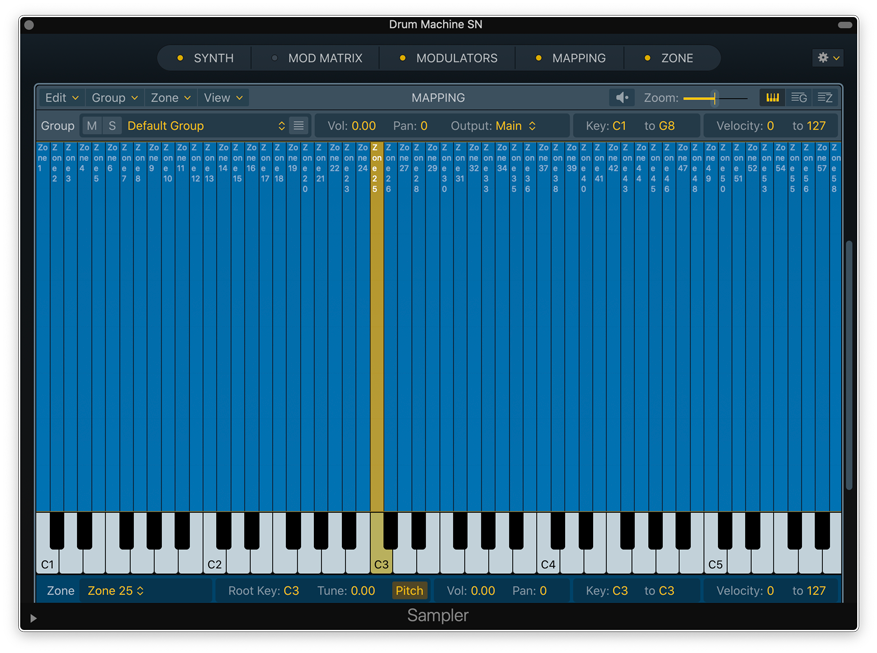
Optional key maps for easy MIDI keyboard access with all EXS24 compatible samplers and players (Logic Pro, NI Kontakt, HALion, Simpler, etc.). The WAV files can be used with any DAW.

Contact & Support

Download Link

Please allow up to 8 hours delivery time. Check your junk mail.

Installation

It's easy to install the samples. If you have any questions I'm here to help.

Lifetime Backup

Re-installed your hard disk? I'll send you a new download link.