The concept of buying wine without labels—often referred to as "shiners" in the industry—is a fascinating intersection of high-end viticulture and minimalist consumerism. While a label usually dictates a wine’s price and prestige, the contents of an unlabelled bottle often tell a different story, one rooted in market logistics rather than quality deficits. The Origin of "Shiners"
Buying wine without a label also changes the drinking experience. Labels often create a "placebo effect," where a prestigious name makes the wine taste better to the drinker. Without a label, the taster is forced to engage with the wine objectively. It turns a ritual of status into a purely sensory experience. It encourages a focus on the acidity, tannins, and fruit profiles rather than the region or the vintage’s critical score. Risks and Considerations
For the consumer, the primary appeal of label-less wine is value. Labels carry "brand equity"—the cost added for the name, the history, and the marketing of a specific estate. By stripping away the paper, the consumer bypasses these overhead costs. It is not uncommon for a bottle of wine that would retail for $50 under a famous Napa Valley label to be sold for $15 as a "mystery" bottle. For those who trust their palate over a brand name, it represents the ultimate "insider" deal. The Psychological Shift
However, the lack of a label isn't without its downsides. Labels provide essential legal and health information, including alcohol content, sulfite warnings, and the origin of the grapes. Without this, the consumer is flying blind regarding potential allergens or the wine’s actual age. Furthermore, because there is no brand to protect, the quality control for "mystery" wines can be inconsistent. Conclusion
Buying wine without labels is an exercise in stripping away the pretension of the wine industry. It rewards the adventurous drinker with high-quality juice at a fraction of the cost, provided they are willing to trade brand certainty for the thrill of the find. It proves that at the end of the day, what matters most is what is inside the glass, not the paper wrapped around it.
In the wine world, a "shiner" is a bottle of wine that has been fermented, aged, and bottled, but not yet labeled. There are several reasons these exist. Sometimes, a winery overproduces a vintage and lacks the brand capacity to sell it all under their premium label. Other times, a winery may face financial trouble or a change in branding and need to liquidate stock quickly. Large-scale producers or "negociants" often buy these shiners, apply their own branding, and sell them at a discount. The Value Proposition
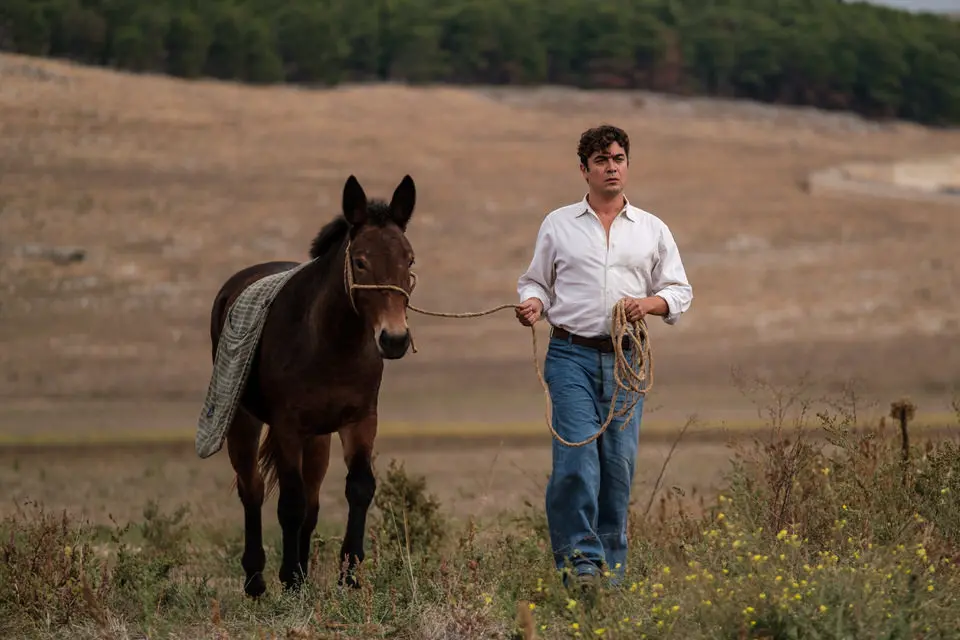
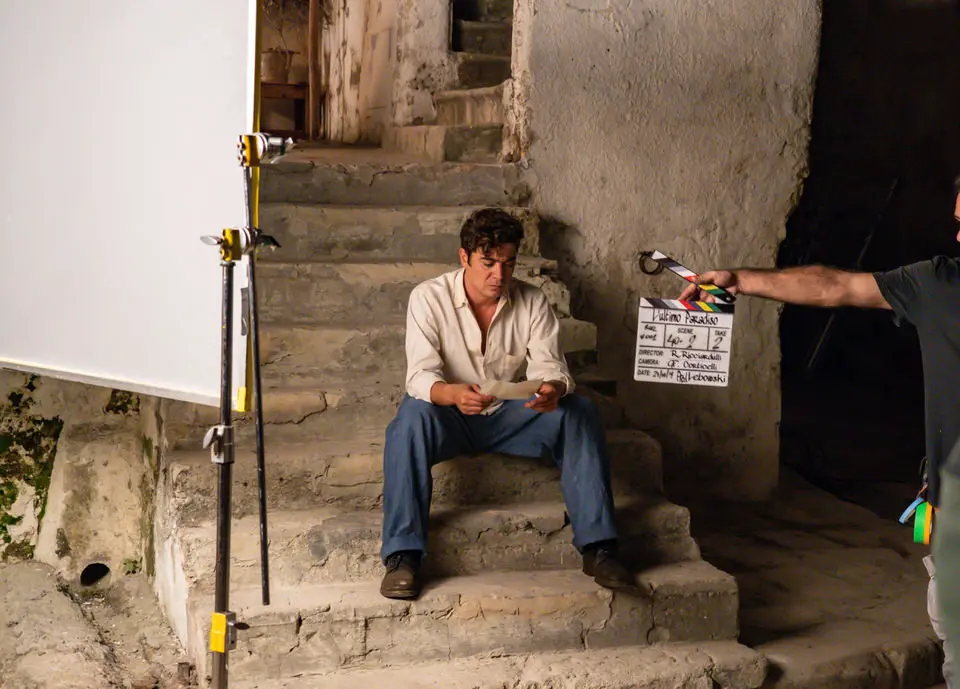
The director Rocco Ricciardulli, from Bernalda, shot his second film, L’ultimo Paradiso between October and December 2019, several dozen kilometres from his childhood home in the Murgia countryside on the border of the Apulia and Basilicata regions. The beautiful, albeit dry and arid landscape frames a story inspired by real-life events relating to the gangmaster scourge of Italy’s martyred lands. It is set in the late 1950’s, an era when certain ancestral practices of aristocratic landowners, archaic professions and a rigid division of work, owners and farmhands, oppressors and oppressed still exist and the economic boom is still far away, in time and space.
The borgo of Gravina in Puglia, where time seems to stand still, is perched at a height of 400m on a limestone deposit part of the fossa bradanica in the heart of the Parco nazionale dell’Alta Murgia. The film immortalizes the town’s alleyways, ancient residences and evocative aqueduct bridging the Gravina river. The surrounding wild nature, including olive trees, Mediterranean maquis and hectares of farm land, provides the typical colours and light of these latitudes. Just outside the residential centre, on the slopes of the Botromagno hill, which gives its name to the largest archaeological area in Apulia, is the Parco naturalistico di Capotenda, whose nature is so pristine and untouched that it provided a perfect natural backdrop for a late 1950s setting.
The alternative to oppression is departure: a choice made by Antonio whom we first meet in Trieste at the foot of the fountain of the Four Continents whose Baroque appearance decorates the majestic piazza Unità d’Italia.
The director Rocco Ricciardulli, from Bernalda, shot his second film, L’ultimo Paradiso between October and December 2019, several dozen kilometres from his childhood home in the Murgia countryside on the border of the Apulia and Basilicata regions. The beautiful, albeit dry and arid landscape frames a story inspired by real-life events relating to the gangmaster scourge of Italy’s martyred lands. It is set in the late 1950’s, an era when certain ancestral practices of aristocratic landowners, archaic professions and a rigid division of work, owners and farmhands, oppressors and oppressed still exist and the economic boom is still far away, in time and space.
The borgo of Gravina in Puglia, where time seems to stand still, is perched at a height of 400m on a limestone deposit part of the fossa bradanica in the heart of the Parco nazionale dell’Alta Murgia. The film immortalizes the town’s alleyways, ancient residences and evocative aqueduct bridging the Gravina river. The surrounding wild nature, including olive trees, Mediterranean maquis and hectares of farm land, provides the typical colours and light of these latitudes. Just outside the residential centre, on the slopes of the Botromagno hill, which gives its name to the largest archaeological area in Apulia, is the Parco naturalistico di Capotenda, whose nature is so pristine and untouched that it provided a perfect natural backdrop for a late 1950s setting.
The alternative to oppression is departure: a choice made by Antonio whom we first meet in Trieste at the foot of the fountain of the Four Continents whose Baroque appearance decorates the majestic piazza Unità d’Italia.
Lebowski, Silver Productions
In 1958, Ciccio, a farmer in his forties married to Lucia and the father of a son of 7, is fighting with his fellow workers against those who exploit their work, while secretly in love with Bianca, the daughter of Cumpà Schettino, a feared and untrustworthy landowner.
The concept of buying wine without labels—often referred to as "shiners" in the industry—is a fascinating intersection of high-end viticulture and minimalist consumerism. While a label usually dictates a wine’s price and prestige, the contents of an unlabelled bottle often tell a different story, one rooted in market logistics rather than quality deficits. The Origin of "Shiners"
Buying wine without a label also changes the drinking experience. Labels often create a "placebo effect," where a prestigious name makes the wine taste better to the drinker. Without a label, the taster is forced to engage with the wine objectively. It turns a ritual of status into a purely sensory experience. It encourages a focus on the acidity, tannins, and fruit profiles rather than the region or the vintage’s critical score. Risks and Considerations
For the consumer, the primary appeal of label-less wine is value. Labels carry "brand equity"—the cost added for the name, the history, and the marketing of a specific estate. By stripping away the paper, the consumer bypasses these overhead costs. It is not uncommon for a bottle of wine that would retail for $50 under a famous Napa Valley label to be sold for $15 as a "mystery" bottle. For those who trust their palate over a brand name, it represents the ultimate "insider" deal. The Psychological Shift
However, the lack of a label isn't without its downsides. Labels provide essential legal and health information, including alcohol content, sulfite warnings, and the origin of the grapes. Without this, the consumer is flying blind regarding potential allergens or the wine’s actual age. Furthermore, because there is no brand to protect, the quality control for "mystery" wines can be inconsistent. Conclusion
Buying wine without labels is an exercise in stripping away the pretension of the wine industry. It rewards the adventurous drinker with high-quality juice at a fraction of the cost, provided they are willing to trade brand certainty for the thrill of the find. It proves that at the end of the day, what matters most is what is inside the glass, not the paper wrapped around it.
In the wine world, a "shiner" is a bottle of wine that has been fermented, aged, and bottled, but not yet labeled. There are several reasons these exist. Sometimes, a winery overproduces a vintage and lacks the brand capacity to sell it all under their premium label. Other times, a winery may face financial trouble or a change in branding and need to liquidate stock quickly. Large-scale producers or "negociants" often buy these shiners, apply their own branding, and sell them at a discount. The Value Proposition